What Is Business Chaos? Why Small Business Owners Feel Overwhelmed
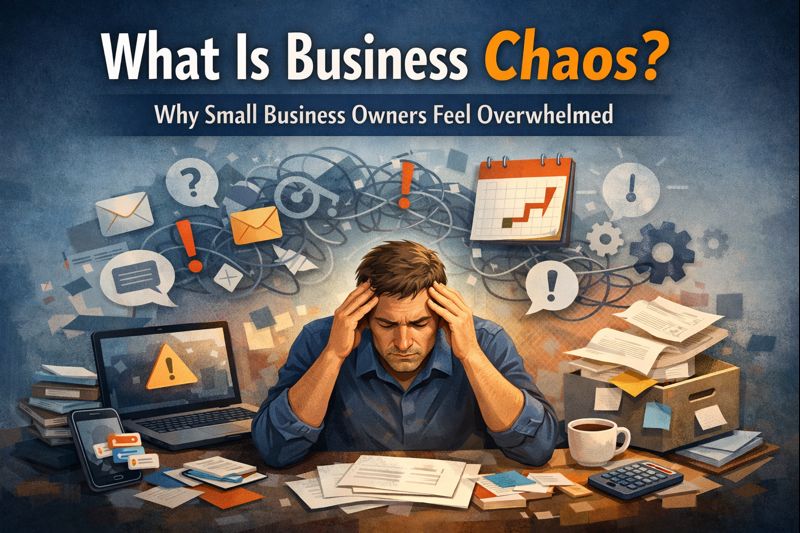
What Is Business Chaos? (And Why So Many Small Business Owners Feel Overwhelmed)
What Is Business Chaos? (And Why So Many Small Business Owners Feel Overwhelmed)
If you’re running a small business and constantly feel behind, scattered, or overwhelmed, you’re not failing.
You’re experiencing business chaos — and it’s far more common than most people admit.
Business chaos doesn’t usually show up as one big disaster.
It shows up quietly, day after day:
-
Too many tools, none of them talking to each other
-
Admin piling up faster than you can clear it
-
Important tasks slipping through the cracks
-
You’re busy all day, but progress feels slow
-
Everything seems to depend on you remembering, chasing, or fixing it
Most overwhelmed small business owners assume this is just “part of running a business”.
It’s not.
Business Chaos Isn’t a Personal Problem — It’s a System Problem
Here’s the uncomfortable truth:
Most small businesses aren’t chaotic because the owner lacks discipline, motivation, or skill.
They’re chaotic because they were never designed to run as a system.
The traditional advice says:
-
Work harder
-
Use more apps
-
Add another tool
-
Create more to-do lists
That approach worked when businesses were simpler.
It doesn’t work anymore.
Today’s small businesses juggle:
-
Leads, customers, and follow-ups
-
Invoices, expenses, and cash flow
-
Marketing, content, and communication
-
Compliance, reporting, and admin
Trying to manage all of that with disconnected tools creates friction everywhere.
Chaos is what happens when growth outpaces structure.
What Business Chaos Actually Looks Like (In Real Life)
Business chaos isn’t loud. It’s draining.
It looks like:
-
Customer information scattered across emails, WhatsApp, spreadsheets, and notes
-
Financial data that only makes sense at tax time
-
Decisions made on gut feel because the numbers aren’t clear
-
Switching between apps just to answer a simple question
-
A constant feeling of “I’ll sort this out later”
Individually, none of these seem critical.
Collectively, they create a business that feels fragile and stressful.
And the longer this continues, the harder it becomes to step back, delegate, or grow.
Why More Tools Usually Make the Problem Worse
When chaos shows up, the instinct is to add another tool:
-
A new CRM
-
Another project app
-
Another spreadsheet
-
Another automation
But tools without structure don’t reduce chaos — they multiply it.
Each new app introduces:
-
More logins
-
More data silos
-
More manual syncing
-
More decisions
Instead of clarity, you get complexity.
This is the trap many overwhelmed small business owners fall into.
The Real Shift: From Tools to Systems
The solution isn’t fewer tools.
It’s systems.
A system is not a piece of software.
A system is a designed way of working where:
-
Information lives in one place
-
Processes are repeatable
-
Decisions are supported by real data
-
Work flows instead of being chased
When a business runs on systems:
-
Less depends on memory
-
Less depends on constant attention
-
Less depends on firefighting
This is how larger, more stable businesses operate — not because they’re bigger, but because they’re structured.
What a System-Based Business Feels Like
When chaos starts to disappear, business feels different:
-
You know where to look for answers
-
Tasks move forward without constant pushing
-
You can step away without things falling apart
-
Decisions feel calmer and more confident
-
Growth doesn’t automatically mean stress
This doesn’t happen overnight.
It happens when the business is deliberately designed to work as a whole.
Where a Business Operating System Fits In
This is where the idea of a business operating system becomes relevant.
Instead of juggling separate tools, an operating system:
-
Brings core business functions together
-
Creates a single source of truth
-
Connects data across departments
-
Supports the way the business actually runs
BDM Hub was built around this exact principle.
Not to add more features —
but to reduce fragmentation, simplify decision-making, and give business owners clarity without overwhelm.
Used properly, it becomes the foundation businesses grow on — not another layer of complexity.
Practical Steps You Can Take Right Now
You don’t need to fix everything at once. Start small.
1. Identify Where Chaos Lives
Ask yourself:
-
Where do I lose information?
-
What do I constantly have to re-check or re-enter?
-
What only exists in my head?
Those are system gaps — not personal failures.
2. Centralise Before You Optimise
Before improving speed or automation:
-
Bring related information into one place
-
Reduce duplication
-
Create a single view of what matters most
Clarity comes before efficiency.
3. Design for Repeatability
If something happens more than once, it deserves a system.
Even a simple, consistent process beats constant improvisation.
A Calmer Way to Run a Business
Business chaos isn’t a sign that you’re doing something wrong.
It’s a sign that your business has outgrown the way it’s currently being run.
The goal isn’t perfection.
The goal is clarity, control, and calm progress.
When systems replace hustle,
and structure replaces fragmentation,
running a business stops feeling like survival —
and starts feeling manageable again.
That’s when growth becomes sustainable.
And that’s when everything finally starts to make sense.
Start Building a Business That Runs on Systems
Running a business shouldn’t feel chaotic or fragile.
BDM Business Systems helps you bring structure, clarity, and repeatability into how your business actually works.
Tags
Christo Fouche PB
Contributing writer at BDM Hub, covering business management, productivity, and technology trends.
Related Articles
Why Busy Isn't the Same as Growing
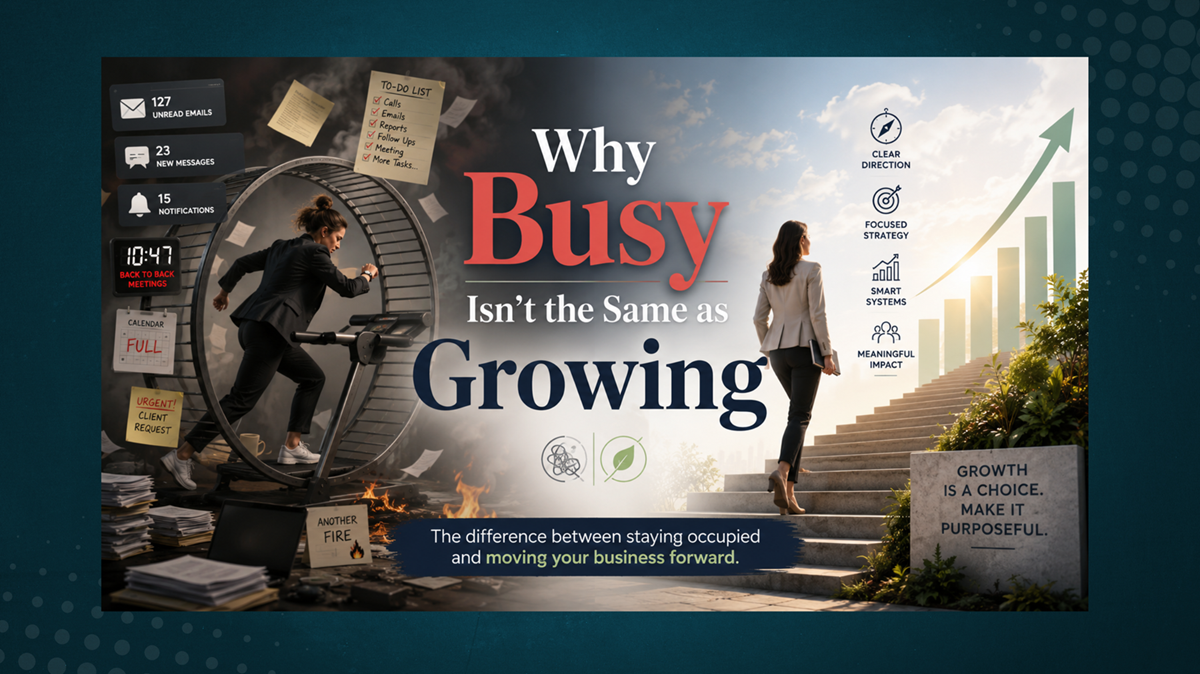
There's a particular kind of tired that has nothing to do with hours worked. It's the tired that comes from a full day, back to back, no gaps — and then, at the end of it, not being able to say what actually moved forward. The inbox is emptier. The to-do list has fewer items on it. And somehow, the business is in exactly the same place it was a month ago.
Building a Business You Can Finally Understand — BDM Hub
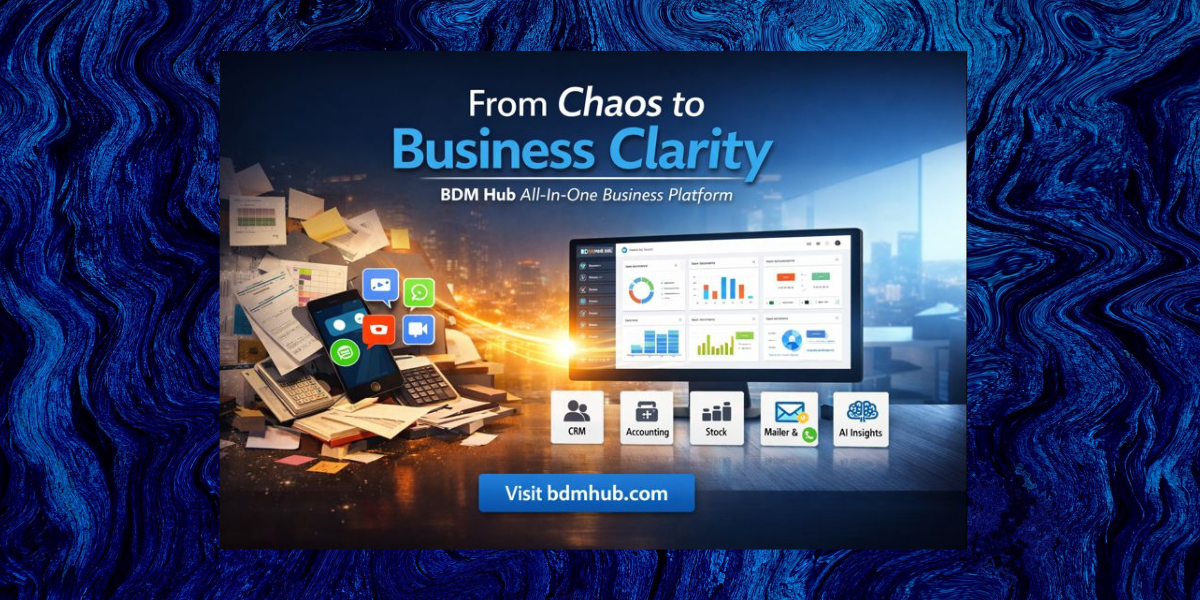
Most owners imagined they would grow into leadership. Instead they grew into administration. The first hours of the day are spent hunting for information: who must be called back, which quote was sent, what the bank balance really is, and on which phone the client conversation actually happened. By the time the real work should begin, mental energy is already gone. Christo Fouché describes this as the hidden tax on small business — the cost of not having one mind for the business.
Insight, Growth & Decision Making
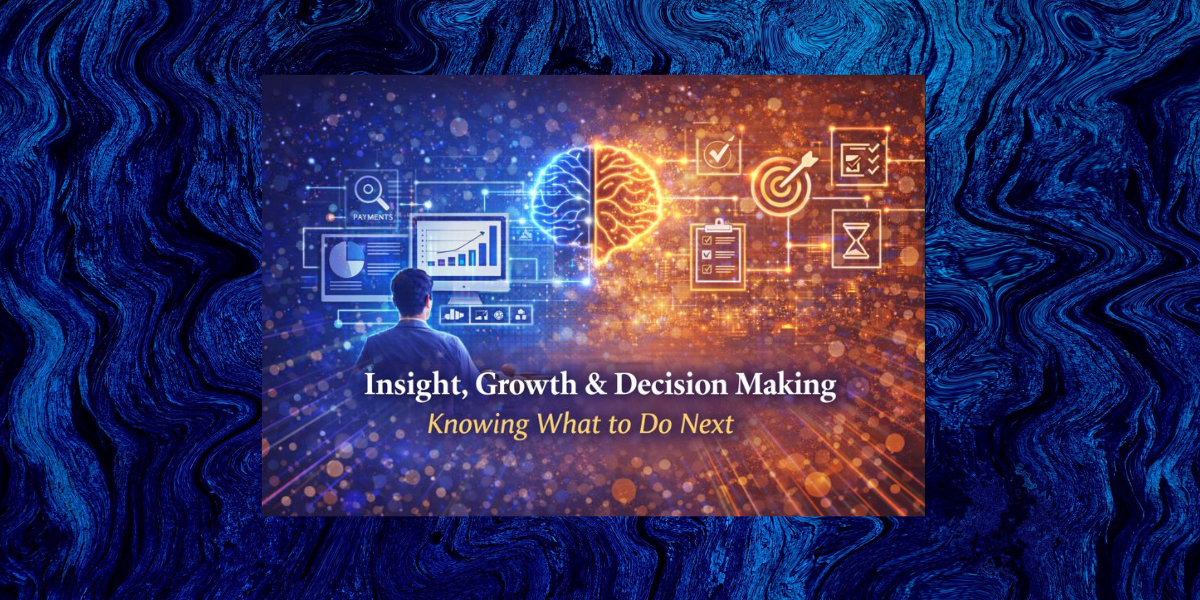
Most small businesses don’t struggle because they lack effort or ambition. They struggle because decisions are often made in the dark. When information is scattered across tools, spreadsheets, inboxes, and conversations, it becomes difficult to see what’s really happening. Decisions end up being driven by instinct, urgency, or whatever feels most pressing in the moment. Sometimes that works. Often, it creates uncertainty, stress, and second-guessing. This is where insight changes everything.