System Building: Turning Chaos Into a Business Operating System
Every business reaches a point where effort alone is no longer enough. What once worked through energy, passion, and long hours slowly begins to strain. Tasks multiply. Information gets scattered. People rely on memory instead of systems. And suddenly, progress feels harder than it should.
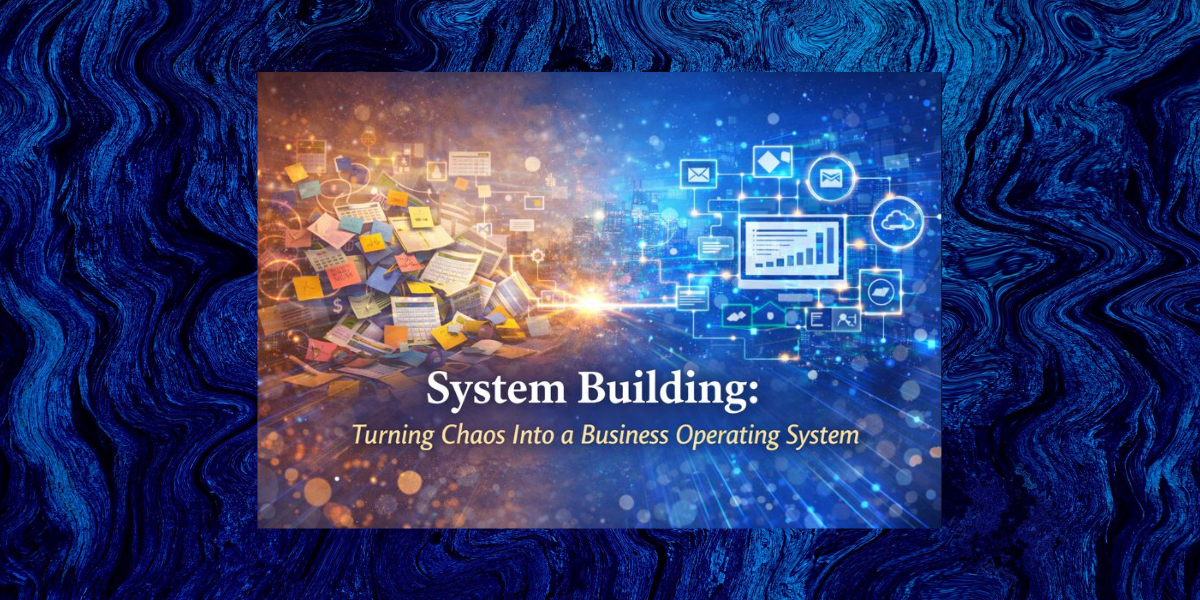
System Building: Turning Chaos Into a Business Operating System
Every business reaches a point where effort alone is no longer enough.
What once worked through energy, passion, and long hours slowly begins to strain. Tasks multiply. Information gets scattered. People rely on memory instead of systems. And suddenly, progress feels harder than it should.
This is often the moment when business owners realize something important: growth doesn’t fail because of lack of ambition — it fails because there’s no structure to support it.
This is where system building becomes essential.
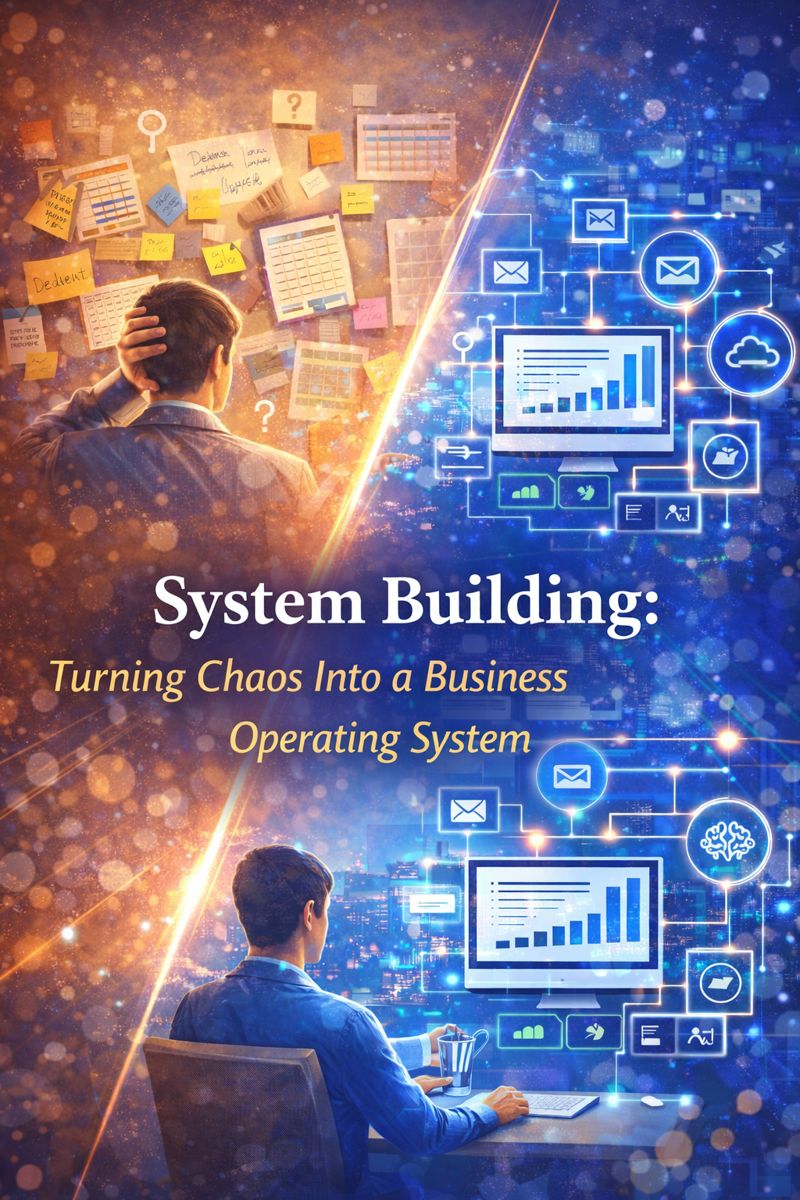
When Everything Lives in People’s Heads
Most businesses don’t start with systems. They start with people doing their best, figuring things out as they go. Knowledge lives in conversations, inboxes, spreadsheets, and personal habits. It works — until it doesn’t.
When someone is away, things slow down.
When workloads increase, mistakes appear.
When growth accelerates, clarity disappears.
This isn’t a people problem. It’s a system problem.
Without structure, businesses rely on memory, improvisation, and constant intervention. Over time, that creates stress, inconsistency, and burnout.
System building is the moment a business decides to stop relying on individuals alone and start creating stability that supports everyone.
From Chaos to Structure
At its core, system building is about replacing uncertainty with clarity.
Instead of scattered tools and disconnected processes, everything begins to work together. Information flows naturally. Responsibilities are clear. Work moves forward without needing constant reminders or firefighting.
A unified system brings visibility across the entire business. Data lives in one place. Processes follow a clear path. Access is structured, so everyone sees what they need — and nothing more.
When this happens, the business starts to feel lighter. Decisions become easier. Progress becomes predictable.
Not because things are rigid, but because they’re understood.
When Systems Start Doing the Heavy Lifting
The true value of system building isn’t control — it’s freedom.
When workflows are clearly defined, people no longer have to remember every step or reinvent processes each time. Work becomes repeatable. Outcomes become reliable. Growth becomes manageable.
Instead of constantly solving the same problems, teams can focus on improving how things work. Instead of reacting, they begin to plan. Instead of chaos, there’s flow.
Systems don’t remove creativity — they protect it.
Building a Business That Can Breathe
A well-designed system gives a business room to breathe.
It creates space for reflection, improvement, and intentional decision-making. It reduces stress because fewer things fall through the cracks. And it builds confidence, because everyone understands how the business operates and where they fit within it.
This kind of structure doesn’t make a business rigid. It makes it resilient.
When challenges arise, systems absorb the pressure. When growth accelerates, systems support it. When people change, the business continues moving forward.
From Constant Effort to Sustainable Flow
Without systems, growth depends on constant energy. With systems, growth becomes sustainable.
Instead of pushing harder, you create flow. Instead of reacting, you guide. Instead of juggling tasks, you build momentum.
This is the difference between running a business and building one.
System building turns scattered effort into a connected ecosystem — one that supports your goals, your people, and your long-term vision.
The Bigger Picture
At its heart, system building is about peace of mind.
It’s knowing that your business doesn’t depend on remembering everything, fixing everything, or being everywhere at once. It’s knowing that the structure beneath your work is strong enough to support growth, change, and evolution.
When systems are in place, clarity replaces chaos.
Consistency replaces confusion.
And progress becomes something you can trust.
That’s what it means to turn a business into a true operating system — one that works with you, not against you.
🚀 Ready to Turn Chaos into a Working Business System?
You don’t need more tools.
You need one system that brings everything together.
BDM Hub helps you:
-
Turn ideas into structured systems
-
Automate repetitive work
-
Connect marketing, sales, and operations
-
Build a business that runs with clarity — not chaos
Whether you’re just starting or scaling what you’ve already built, BDM gives you the structure to move forward with confidence.
✅ What You Can Do Next
Start with clarity. Build with intention. Grow with confidence.
👉 Download My Free Book Chaos to Clarity
See how all the pieces fit together in one connected system.
Christo Fouche
Contributing writer at BDM Hub, covering business management, productivity, and technology trends.
Related Articles
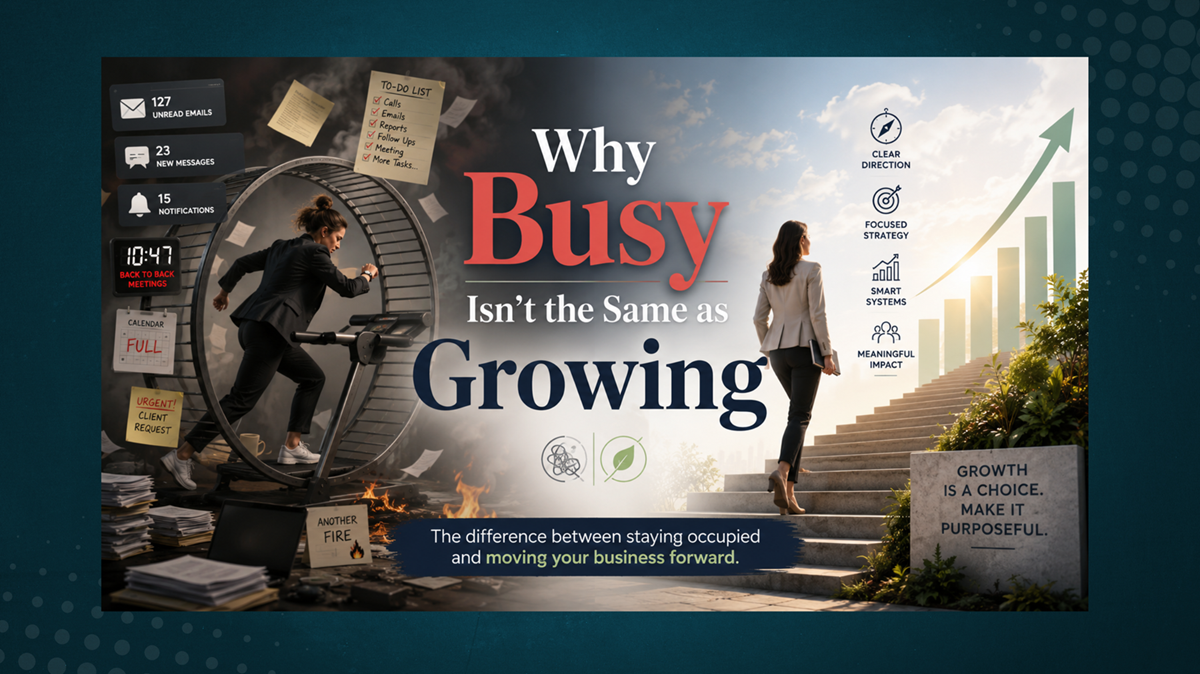
Why Busy Isn't the Same as Growing
There's a particular kind of tired that has nothing to do with hours worked. It's the tired that comes from a full day, back to back, no gaps — and then, at the end of it, not being able to say what actually moved forward. The inbox is emptier. The to-do list has fewer items on it. And somehow, the business is in exactly the same place it was a month ago.
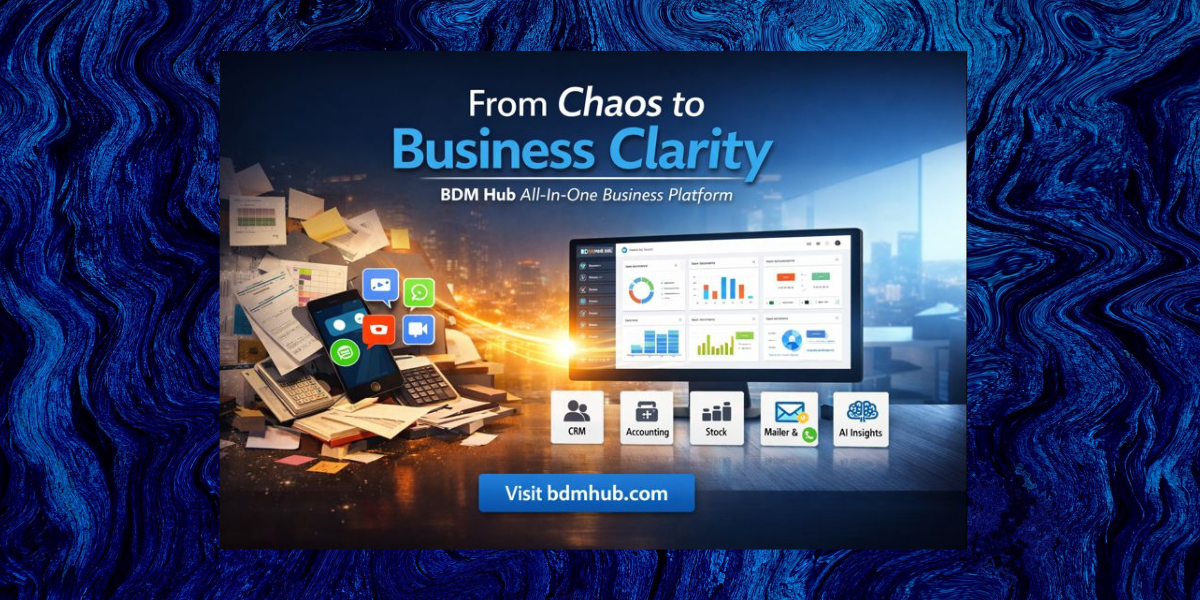
Building a Business You Can Finally Understand — BDM Hub
Most owners imagined they would grow into leadership. Instead they grew into administration. The first hours of the day are spent hunting for information: who must be called back, which quote was sent, what the bank balance really is, and on which phone the client conversation actually happened. By the time the real work should begin, mental energy is already gone. Christo Fouché describes this as the hidden tax on small business — the cost of not having one mind for the business.
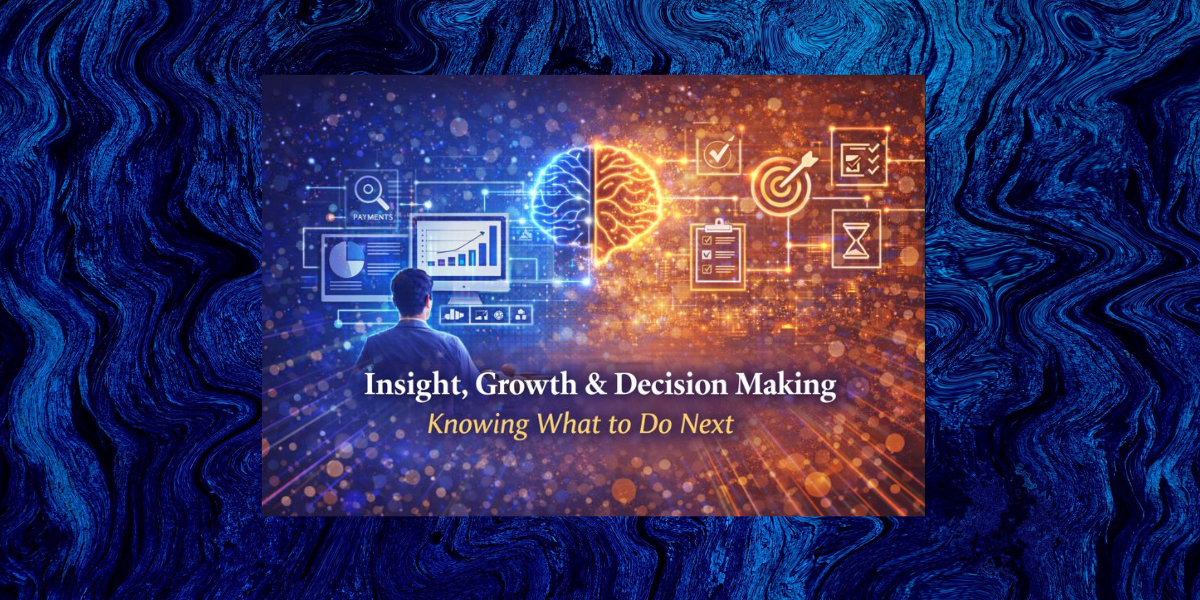
Insight, Growth & Decision Making
Most small businesses don’t struggle because they lack effort or ambition. They struggle because decisions are often made in the dark. When information is scattered across tools, spreadsheets, inboxes, and conversations, it becomes difficult to see what’s really happening. Decisions end up being driven by instinct, urgency, or whatever feels most pressing in the moment. Sometimes that works. Often, it creates uncertainty, stress, and second-guessing. This is where insight changes everything.