Insight, Growth & Decision Making
Most small businesses don’t struggle because they lack effort or ambition. They struggle because decisions are often made in the dark. When information is scattered across tools, spreadsheets, inboxes, and conversations, it becomes difficult to see what’s really happening. Decisions end up being driven by instinct, urgency, or whatever feels most pressing in the moment. Sometimes that works. Often, it creates uncertainty, stress, and second-guessing. This is where insight changes everything.
Insight, Growth & Decision Making
Knowing What to Do Next
Most small businesses don’t struggle because they lack effort or ambition. They struggle because decisions are often made in the dark.
When information is scattered across tools, spreadsheets, inboxes, and conversations, it becomes difficult to see what’s really happening. Decisions end up being driven by instinct, urgency, or whatever feels most pressing in the moment. Sometimes that works. Often, it creates uncertainty, stress, and second-guessing.
This is where insight changes everything.
When Guesswork Replaces Clarity
Many business owners rely heavily on intuition — especially in the early stages. That instinct is valuable, but as a business grows, intuition alone isn’t enough.
Without clear visibility, it becomes harder to answer simple but critical questions:
-
What’s actually working right now?
-
Where is time being lost?
-
Which efforts are moving the business forward?
-
What deserves attention next?
When these answers aren’t clear, decision-making becomes reactive. You respond instead of lead. You move fast, but not always in the right direction.
This is where growth begins to feel uncertain rather than intentional.
Turning Data Into Understanding
Data on its own doesn’t create clarity. In fact, too much data can create noise. Insight only emerges when information is connected, contextual, and easy to understand.
BDM helps turn raw data into something meaningful. Real-time dashboards provide a clear view of what’s happening across the business. Performance metrics reveal patterns rather than isolated numbers. Reports connect activity across teams, systems, and workflows into one coherent picture.
Instead of digging for answers, you can see them.
This shift changes how decisions are made. You’re no longer reacting to symptoms — you’re responding to understanding.
From Information to Insight
Insight is not about knowing everything. It’s about knowing what matters.
When data is presented clearly, decision-making becomes calmer and more confident. You begin to recognize trends early. You spot opportunities before they become urgent. You can course-correct without panic.
With the support of AI-driven insights, the system helps interpret patterns, highlight risks, and suggest next steps. You’re no longer left wondering what to do — you’re guided toward informed action.
This doesn’t replace human judgment. It strengthens it.
Creating Space for Better Decisions
When insight replaces guesswork, something subtle but powerful happens. Mental noise fades. Decisions feel lighter. Conversations become more focused.
Instead of reacting to problems, you begin to anticipate them. Instead of juggling priorities, you start choosing them intentionally.
This shift brings confidence — not the loud kind, but the quiet confidence that comes from understanding what’s happening beneath the surface.
Growth no longer feels risky. It feels navigable.
Insight as a Foundation for Sustainable Growth
True growth isn’t about doing more. It’s about doing the right things at the right time.
When insight guides your decisions, growth becomes intentional, not reactive. You invest energy where it matters most. You move forward with clarity rather than pressure.
This creates momentum that’s sustainable — not driven by urgency, but by understanding.
The Bigger Picture
Insight is more than data. It’s awareness. It’s perspective. It’s the ability to step back and see your business as a living system rather than a collection of problems to solve.
When insight leads the way, decisions feel aligned. Growth feels purposeful. And progress feels steady instead of stressful.
That’s the power of turning information into understanding — and understanding into confident action.
🚀 Ready to Turn Chaos into a Working Business System?
You don’t need more tools.
You need one system that brings everything together.
BDM Hub helps you:
-
Turn ideas into structured systems
-
Automate repetitive work
-
Connect marketing, sales, and operations
-
Build a business that runs with clarity — not chaos
Whether you’re just starting or scaling what you’ve already built, BDM gives you the structure to move forward with confidence.
✅ What You Can Do Next
Start with clarity. Build with intention. Grow with confidence.
👉 Download My Free Book Chaos to Clarity
See how all the pieces fit together in one connected system.
Christo Fouche
Contributing writer at BDM Hub, covering business management, productivity, and technology trends.
Related Articles
Why Busy Isn't the Same as Growing
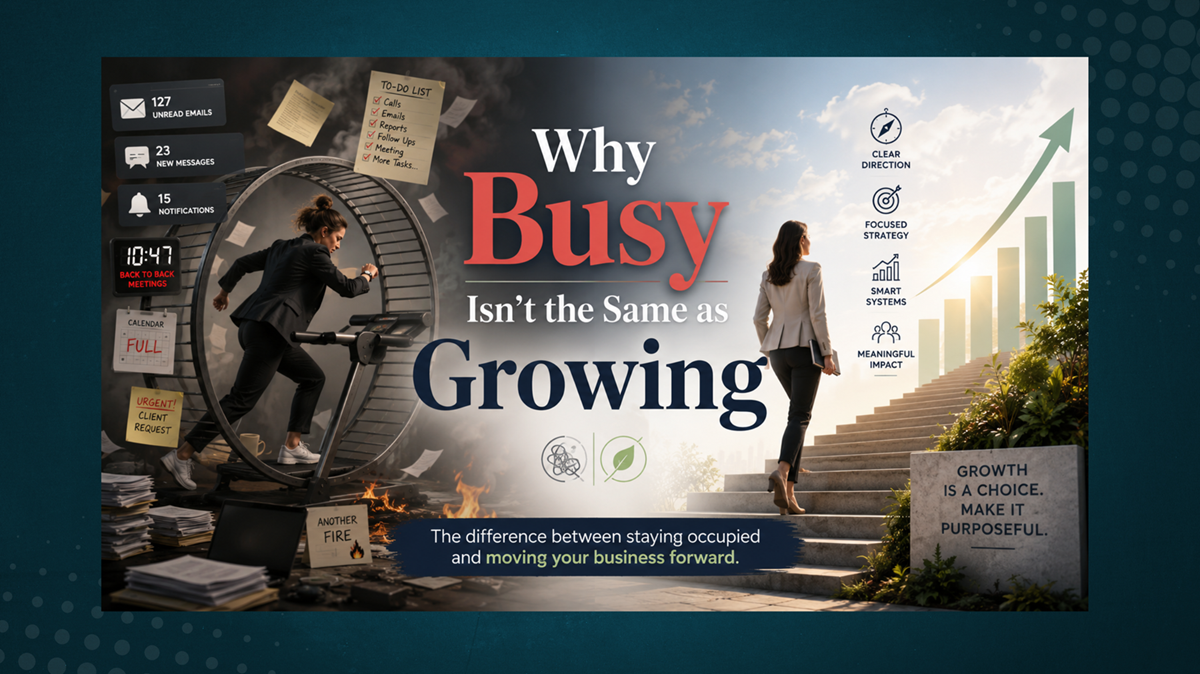
There's a particular kind of tired that has nothing to do with hours worked. It's the tired that comes from a full day, back to back, no gaps — and then, at the end of it, not being able to say what actually moved forward. The inbox is emptier. The to-do list has fewer items on it. And somehow, the business is in exactly the same place it was a month ago.
Building a Business You Can Finally Understand — BDM Hub
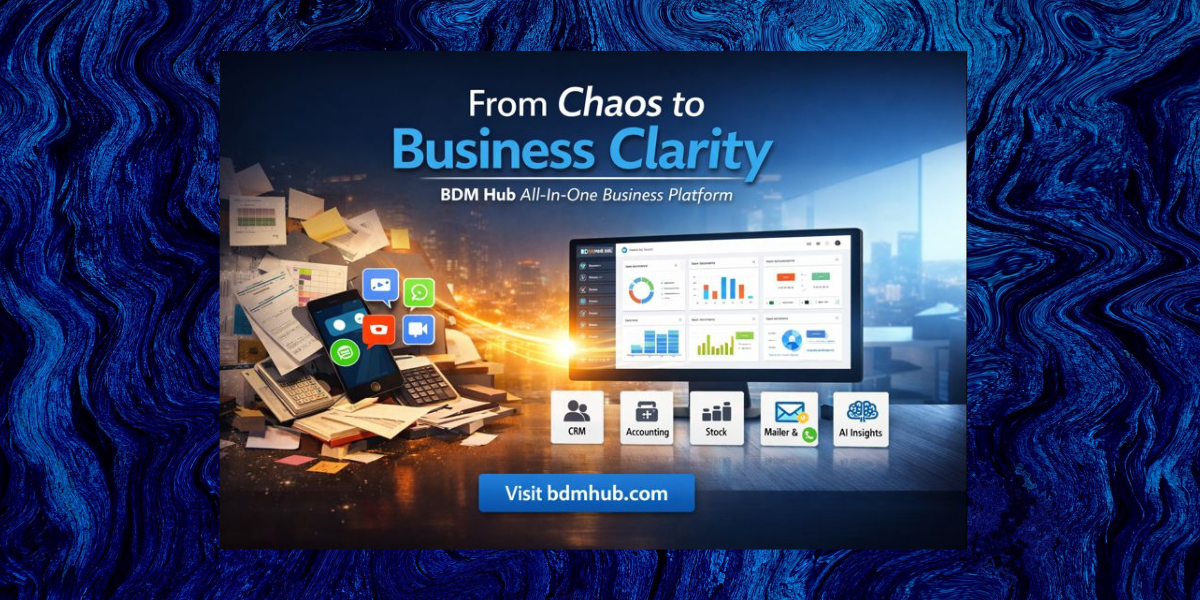
Most owners imagined they would grow into leadership. Instead they grew into administration. The first hours of the day are spent hunting for information: who must be called back, which quote was sent, what the bank balance really is, and on which phone the client conversation actually happened. By the time the real work should begin, mental energy is already gone. Christo Fouché describes this as the hidden tax on small business — the cost of not having one mind for the business.
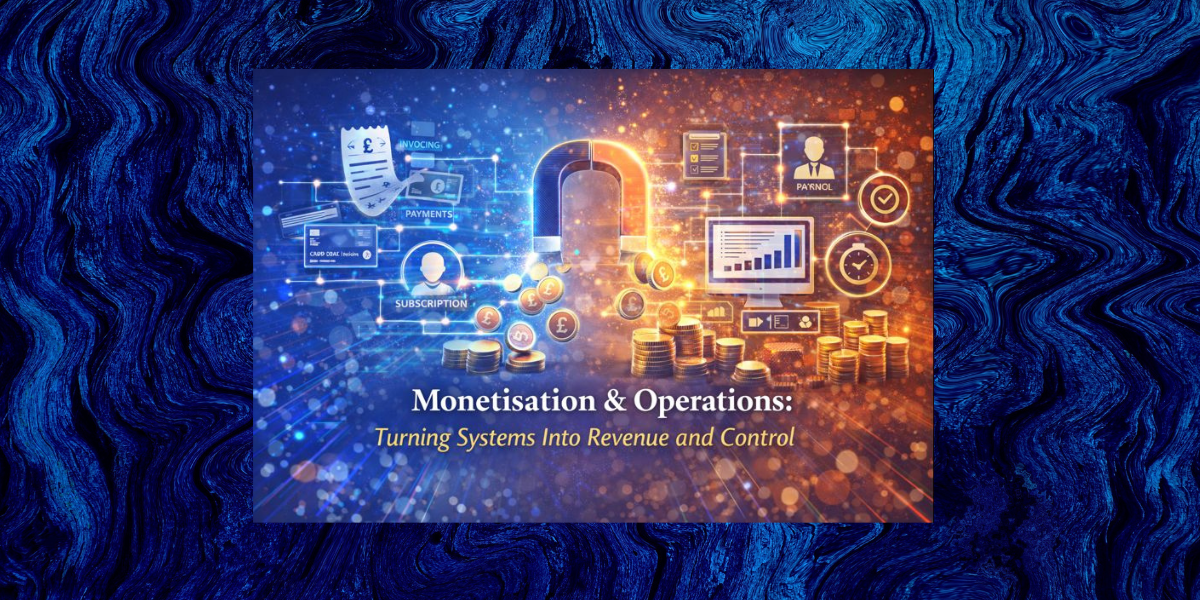
Turning Systems Into Revenue and Control
Growth is exciting — until it becomes overwhelming. At first, more customers and more sales feel like success. But without the right structure behind the scenes, that growth can quickly turn into stress. Payments get harder to track. Admin piles up. Decisions start taking longer. And instead of feeling in control, the business begins to feel heavier with every new opportunity. This is where monetisation and operations quietly become the foundation of sustainable growth.