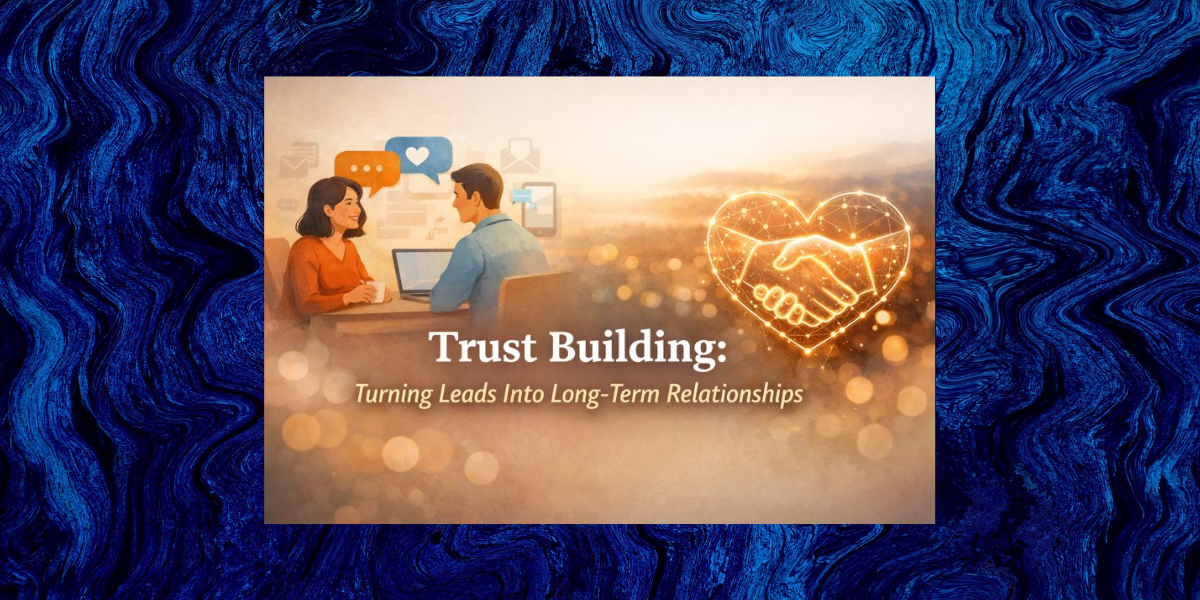
Trust Building: Turning Leads Into Long-Term Relationships
In today’s digital world, trust has become one of the most valuable currencies a business can earn. People are more informed, more cautious, and far more selective about who they choose to engage with. They don’t buy the moment they discover you — they buy when they feel understood, supported, and confident in your intentions.
Trust Building: Turning Leads Into Long-Term Relationships
In today’s digital world, trust has become one of the most valuable currencies a business can earn. People are more informed, more cautious, and far more selective about who they choose to engage with. They don’t buy the moment they discover you — they buy when they feel understood, supported, and confident in your intentions.
That’s why trust building isn’t a step in the sales process.
It is the process.
Why Trust Comes Before Transactions
Most leads don’t arrive ready to buy. They arrive curious, uncertain, and often overwhelmed by options. They’re looking for clarity, not pressure. They want to feel safe before they commit.
Trust grows slowly through consistency, relevance, and genuine communication. It forms when people feel seen rather than sold to. And once that trust is established, decisions become easier — not because of persuasion, but because of confidence.
Businesses that understand this stop chasing conversions and start nurturing relationships instead.
The Shift From Selling to Supporting
Traditional sales approaches often focus on timing — when to follow up, when to push an offer, when to close. But modern trust building works differently.
It focuses on being present without being intrusive.
BDM supports this shift by helping businesses communicate in a structured, intentional way. Instead of trying to remember who to follow up with or what was said last time, conversations become organized and thoughtful. Email sequences nurture leads over time. WhatsApp and messaging channels allow for natural interaction. Intelligent segmentation ensures people receive content that actually matters to them.
This creates a sense of continuity. Conversations don’t reset every time someone returns — they deepen.
Trust Grows Through Consistency
Trust isn’t built through one interaction. It grows through consistency.
When people receive helpful information at the right moment, they begin to feel understood. When communication feels thoughtful rather than automated, confidence builds. When messages are relevant instead of repetitive, relationships strengthen.
This consistency is where trust takes root. It removes uncertainty and replaces it with familiarity. Over time, people stop questioning your intent and start engaging more openly.
And when trust is present, decisions happen naturally.
From Conversations to Relationships
When trust becomes part of your system, conversations change. They move beyond surface-level questions and into meaningful dialogue. Prospects open up about their challenges, goals, and hesitations because they feel safe doing so.
This is where long-term relationships are formed.
Instead of one-time transactions, you create ongoing connections — people who return not because they’re being pushed, but because they feel supported. They become clients, advocates, and sometimes even partners in your journey.
Trust transforms engagement into loyalty.
Building Trust at Scale
One of the biggest misconceptions about trust is that it can’t scale. Many believe it requires constant personal attention. But when trust is built into your systems, it becomes sustainable.
With the right structure in place, communication remains warm and human even as your business grows. Your values stay consistent. Your message remains clear. And your audience continues to feel heard — even as numbers increase.
This is where trust building stops being exhausting and starts becoming empowering.
A More Human Way to Grow
At its core, trust building is about respect. Respect for people’s time, attention, and intelligence. It’s about showing up consistently and offering value without expectation.
When done well, trust becomes the quiet force behind long-term growth. It reduces friction, shortens decision cycles, and creates relationships that last well beyond a single transaction.
And in a world filled with noise, that kind of clarity stands out.
The Bigger Picture
Trust isn’t something you demand — it’s something you earn, moment by moment.
When your systems support honest communication, when your messaging feels human, and when your intentions are clear, trust becomes a natural outcome. Leads turn into relationships. Relationships turn into loyalty. And loyalty becomes the foundation for sustainable growth.
That’s the true power of trust building — not as a tactic, but as a way of doing business.
🚀 Ready to Turn Chaos into a Working Business System?
You don’t need more tools.
You need one system that brings everything together.
BDM Hub helps you:
-
Turn ideas into structured systems
-
Automate repetitive work
-
Connect marketing, sales, and operations
-
Build a business that runs with clarity — not chaos
Whether you’re just starting or scaling what you’ve already built, BDM gives you the structure to move forward with confidence.
✅ What You Can Do Next
Start with clarity. Build with intention. Grow with confidence.
👉 Download My Free Book Chaos to Clarity
See how all the pieces fit together in one connected system.
Christo Fouche
Contributing writer at BDM Hub, covering business management, productivity, and technology trends.
Related Articles
Why Busy Isn't the Same as Growing
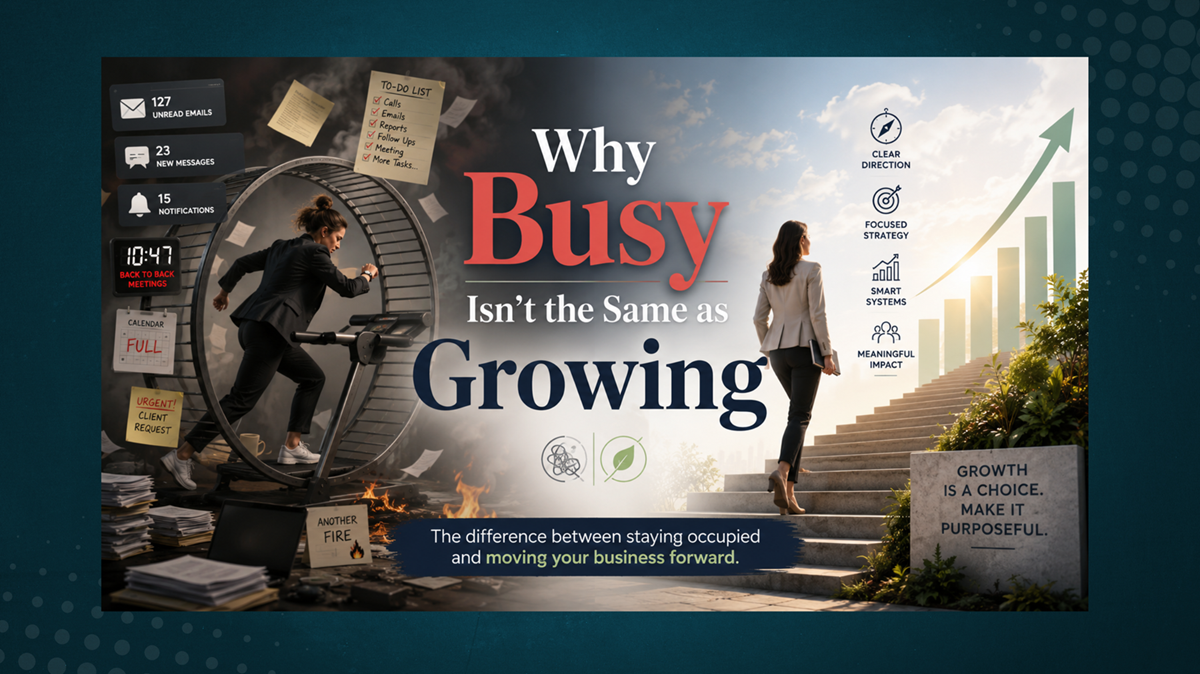
There's a particular kind of tired that has nothing to do with hours worked. It's the tired that comes from a full day, back to back, no gaps — and then, at the end of it, not being able to say what actually moved forward. The inbox is emptier. The to-do list has fewer items on it. And somehow, the business is in exactly the same place it was a month ago.
Building a Business You Can Finally Understand — BDM Hub
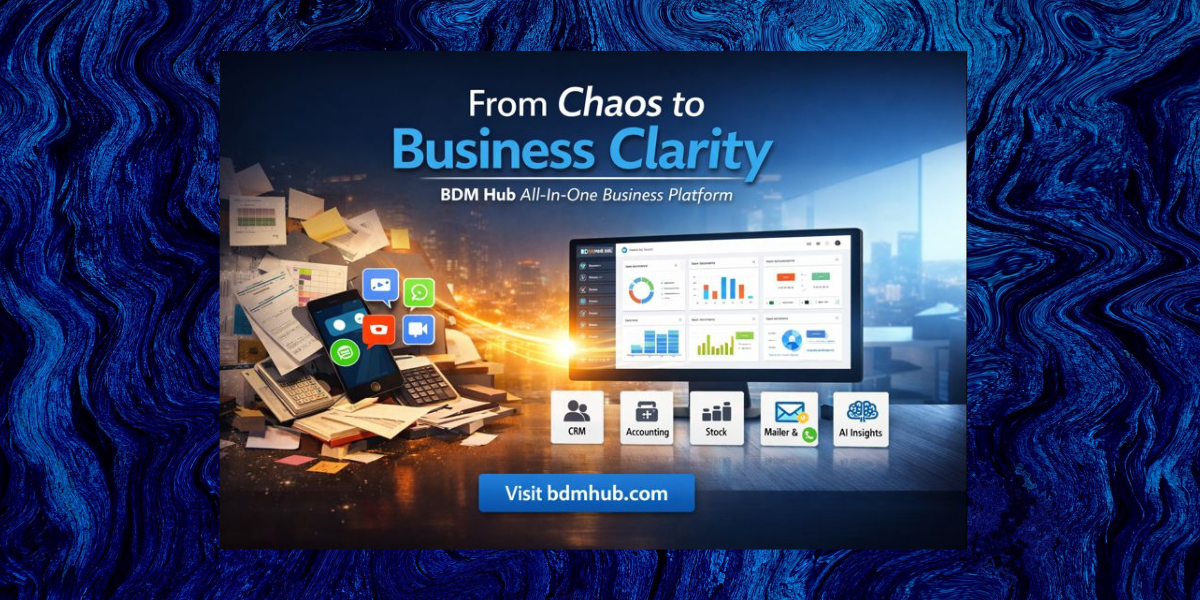
Most owners imagined they would grow into leadership. Instead they grew into administration. The first hours of the day are spent hunting for information: who must be called back, which quote was sent, what the bank balance really is, and on which phone the client conversation actually happened. By the time the real work should begin, mental energy is already gone. Christo Fouché describes this as the hidden tax on small business — the cost of not having one mind for the business.
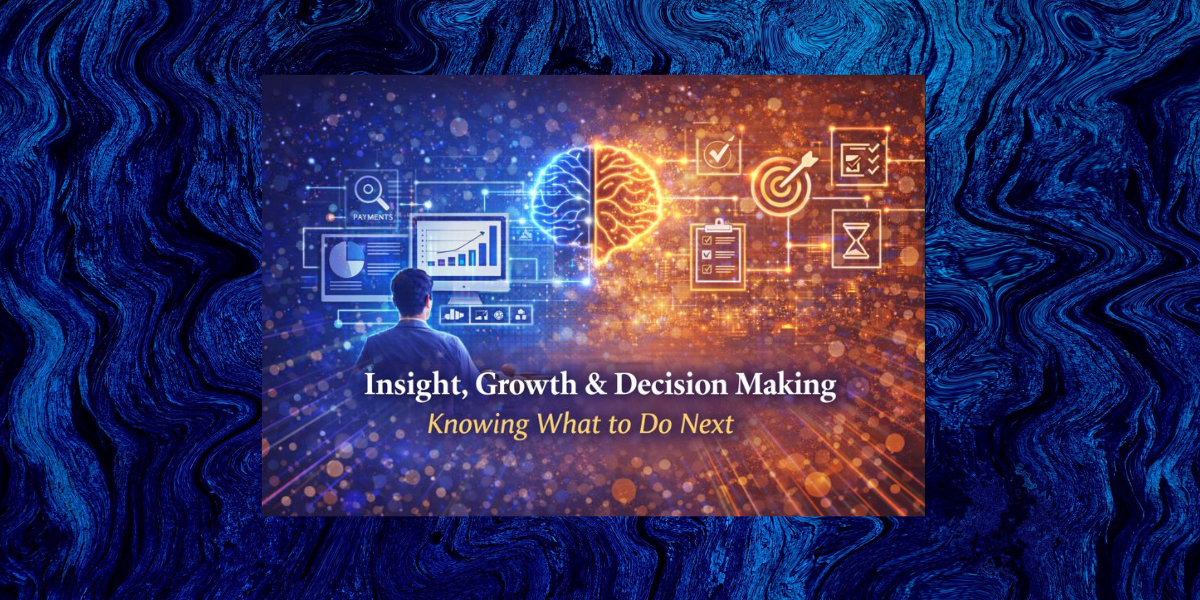
Insight, Growth & Decision Making
Most small businesses don’t struggle because they lack effort or ambition. They struggle because decisions are often made in the dark. When information is scattered across tools, spreadsheets, inboxes, and conversations, it becomes difficult to see what’s really happening. Decisions end up being driven by instinct, urgency, or whatever feels most pressing in the moment. Sometimes that works. Often, it creates uncertainty, stress, and second-guessing. This is where insight changes everything.