Why Busy Isn't the Same as Growing
There's a particular kind of tired that has nothing to do with hours worked. It's the tired that comes from a full day, back to back, no gaps — and then, at the end of it, not being able to say what actually moved forward. The inbox is emptier. The to-do list has fewer items on it. And somehow, the business is in exactly the same place it was a month ago.
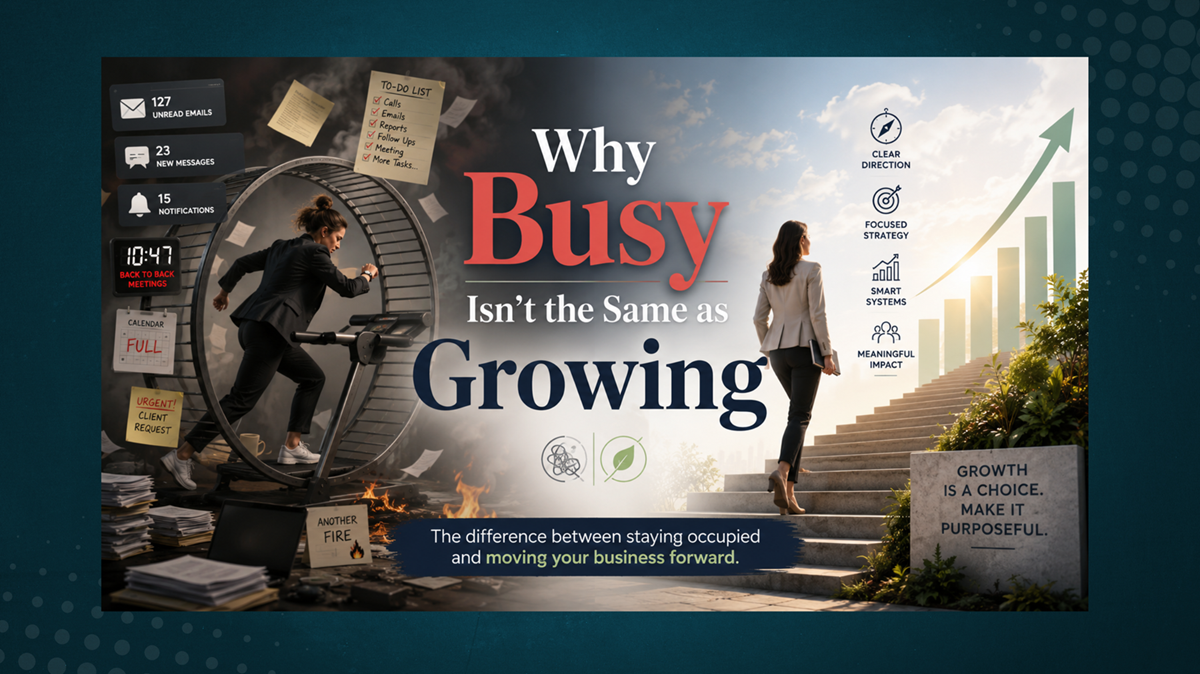
Why Busy Isn't the Same as Growing
There's a particular kind of tired that has nothing to do with hours worked.
It's the tired that comes from a full day, back to back, no gaps — and then, at the end of it, not being able to say what actually moved forward. The inbox is emptier. The to-do list has fewer items on it. And somehow, the business is in exactly the same place it was a month ago.
Most business owners have felt this without naming it. It's easier to notice in someone else's business than your own — the friend who's always "flat out," always firefighting, always one crisis behind the last one, and yet a year later is describing the exact same problems in the exact same words. Busy has a way of disguising itself as progress. It even feels like progress, in the moment. There's a satisfaction to a full calendar that a quiet one doesn't offer.
But busy and growing are not the same thing, and confusing them is one of the most common — and most expensive — mistakes a business owner can make.
What busy actually measures
Busy measures activity. It tells you how many things you did. It says nothing about whether those things mattered.
You can spend a full week responding to emails, sitting in meetings, fixing small fires, and following up on tasks — and if none of those things touched the handful of decisions that actually determine where the business is heading, the week was busy and irrelevant at the same time. Both things can be true. That's the trap.
Growing measures direction. It asks a different question entirely: is the business closer to where it needs to be than it was before? That question doesn't care how many hours you worked. It cares whether the work was the right work.
The test that actually tells you something
Here's a simple way to check which one you're doing. Think back over the last week and ask: what is one thing that changed about how this business operates, or where it's heading, because of what I did?
Not "what did I get done." What changed.
If the honest answer is "nothing changed, I just kept things running," that's worth sitting with. Keeping things running is necessary — no business survives without someone doing it. But if every week is only that, and never anything else, the business isn't going anywhere. It's just staying upright. There's a real difference between a business that's moving and one that's simply not falling over.
Why this is so easy to miss
Nobody sets out to confuse the two. It happens gradually, and it happens for a understandable reason: reacting feels urgent, and urgent feels important. A supplier problem, a difficult customer, a staff issue — these things genuinely need attention right now, and attending to them feels like exactly the kind of decisive, competent action a good owner should be taking.
The problem isn't that these things get handled. It's that when every day is entirely made of them, there's no time left for the other kind of work — the kind that doesn't shout for attention because it isn't on fire, but that actually determines what the business becomes. Deciding what you're building toward. Deciding what you'll stop doing. Deciding which problem, if solved once, would stop returning as a weekly fire.
That work is quiet. It doesn't feel urgent. It's the easiest thing in the world to postpone in favour of whatever's loudest today. And a business owner who postpones it for long enough ends up exactly where they started — busier, more tired, and no closer to anywhere.
The uncomfortable, useful question
If you've read this far and recognised something in it, the question worth asking yourself isn't "how do I get less busy." Less busy isn't automatically better if the time saved just gets absorbed by the next fire.
The question is: when did I last spend time on something that wasn't urgent, but was important? Not this week's crisis — the actual direction of the thing you're building.
If the honest answer is "I can't remember," that's not a failure. It's just information. It's the first thing worth changing.
This is the first in a series about the gap between running a business and building one. If this resonated, the newsletter goes a layer deeper each week — no pitch, just the next honest thing worth thinking about.
Tags
Christo Fouche
Contributing writer at BDM Hub, covering business management, productivity, and technology trends.
Related Articles
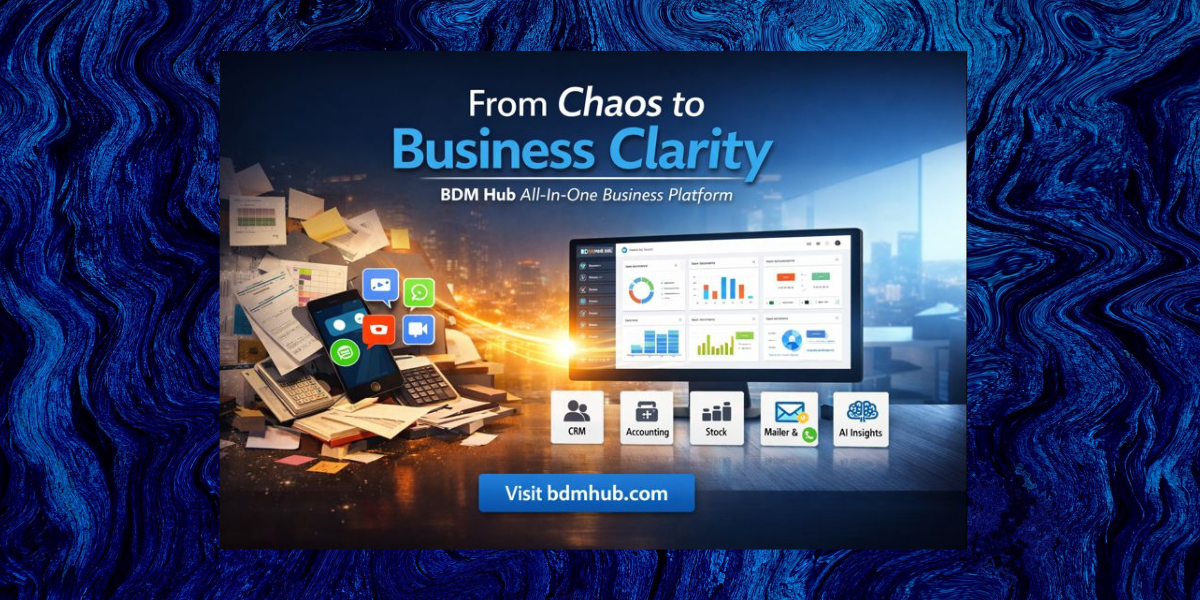
Building a Business You Can Finally Understand — BDM Hub
Most owners imagined they would grow into leadership. Instead they grew into administration. The first hours of the day are spent hunting for information: who must be called back, which quote was sent, what the bank balance really is, and on which phone the client conversation actually happened. By the time the real work should begin, mental energy is already gone. Christo Fouché describes this as the hidden tax on small business — the cost of not having one mind for the business.
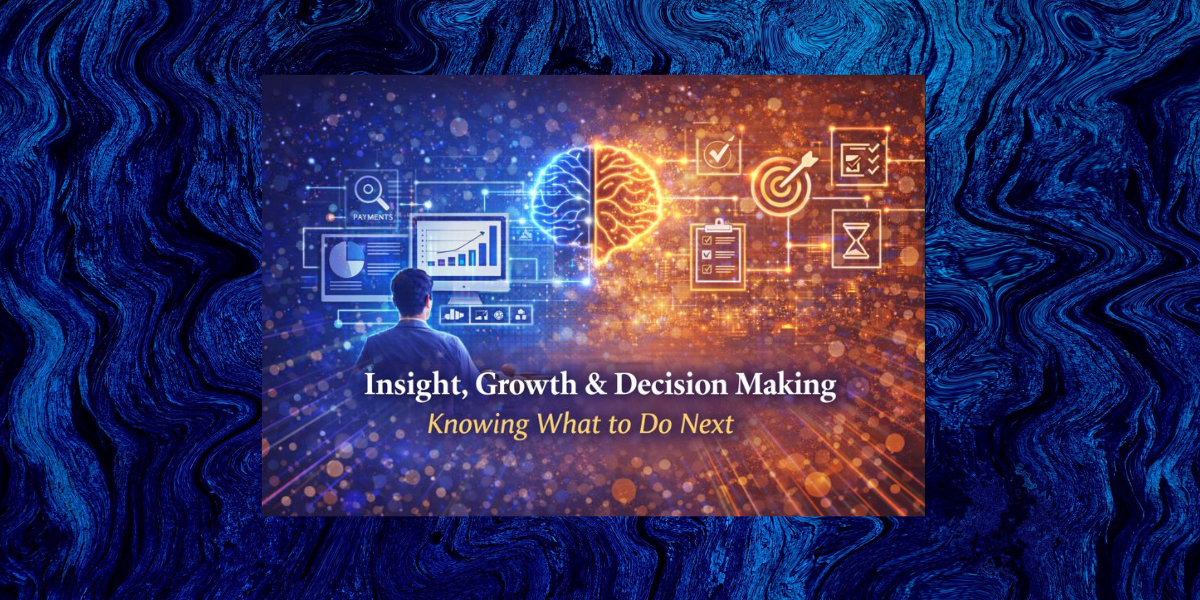
Insight, Growth & Decision Making
Most small businesses don’t struggle because they lack effort or ambition. They struggle because decisions are often made in the dark. When information is scattered across tools, spreadsheets, inboxes, and conversations, it becomes difficult to see what’s really happening. Decisions end up being driven by instinct, urgency, or whatever feels most pressing in the moment. Sometimes that works. Often, it creates uncertainty, stress, and second-guessing. This is where insight changes everything.
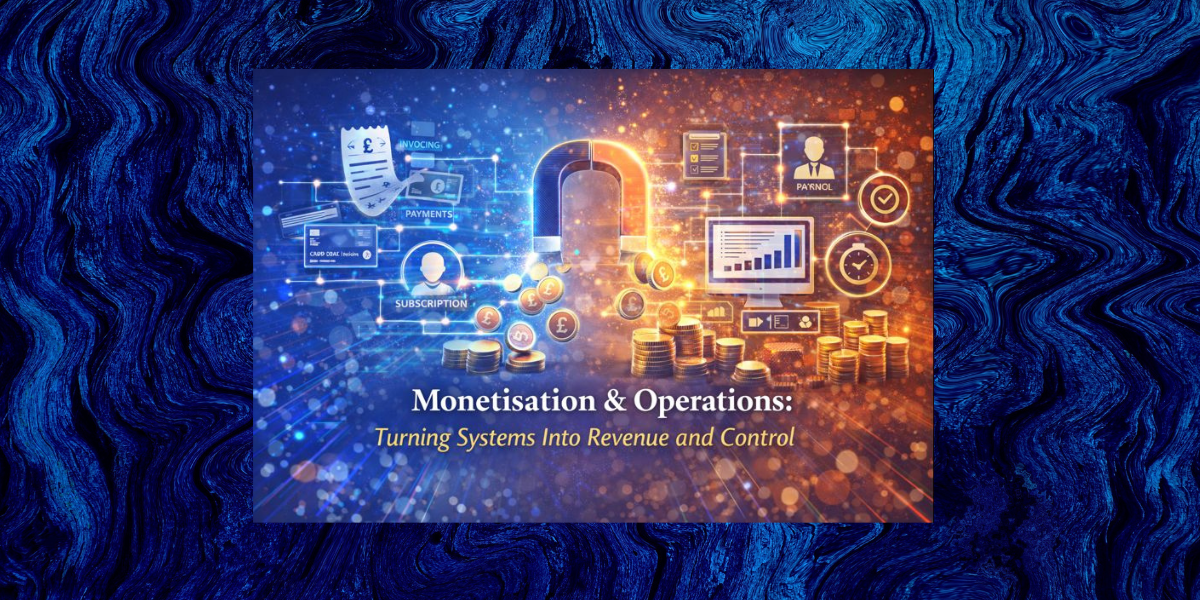
Turning Systems Into Revenue and Control
Growth is exciting — until it becomes overwhelming. At first, more customers and more sales feel like success. But without the right structure behind the scenes, that growth can quickly turn into stress. Payments get harder to track. Admin piles up. Decisions start taking longer. And instead of feeling in control, the business begins to feel heavier with every new opportunity. This is where monetisation and operations quietly become the foundation of sustainable growth.